All Categories
Featured

Increasing Brand Trust in the 2026 Market
"You'll see a tree diagram consisting of concerns that Google users who searched your topic also asked: Click on any of these to explore more follow-up concerns and use the most appropriate ones to motivate your content.: Here are some tools that can assist you determine your site's reliability and proficiency in a topic area: Semrush's Topical Authority metric can help you determine how credibility your site has for specific search terms." There will be a ranking of"Low,"" Moderate, ""Appropriate, "or" High"under the "Topical Authority"label."Near the top of the page, you'll see"Referring Domains"( the number of domains that point back to your site)and"Backlinks" (the overall number of backlinks pointing to your site ).
[target1:anchor_exact1]: The circulation of your referring domains by Authority Ratings. Consist of the search engine, device, place, and language that you want to track positions for. They should include the search terms that you desire to construct topical authority around.
To see whether you're constructing topical authority. Compare your ranking positions before and after the content was released.
Future-Proofing Your Search Authority With AI
If you see favorable boosts in ranking positions, you're likely structure topical authority in those subject areas. Log in to Google Analytics( GA4 )to see whether gos to are up or downFrom the control panel, click ""in the top left corner. Go to "" >""> "."There, you'll see a breakdown of your traffic by channel. Take a look at the" Organic Browse "row and compare the information to what you saw from the previous duration. Focus on structure topical authority with your material to build unstoppable.
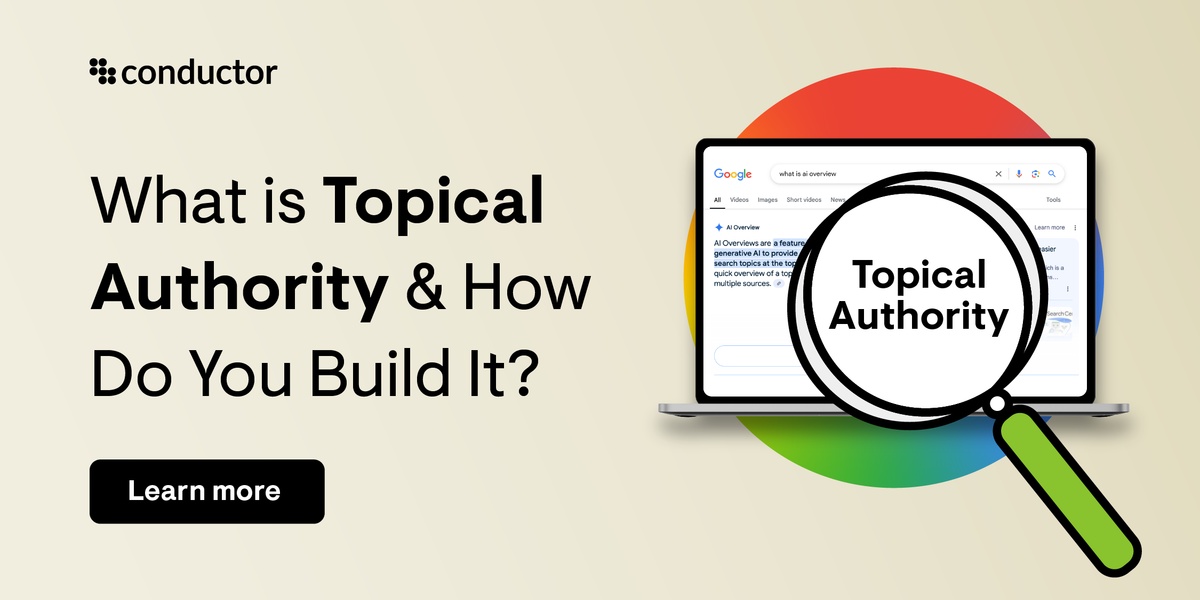
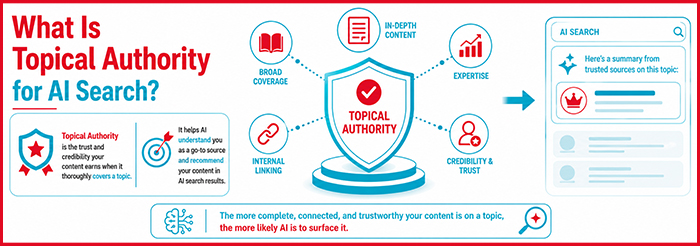
momentum. And use Semrush's AI-powered keyword tools to get a better understanding of your site's topical authority for your target search terms. You can go after the right terms to increase your reliability. Inspect out the tools listed in this post with a complimentary trial. If you've remained in SEO long enough, you understand that Google has actually been trying to determine genuine expertise behind web documents for several years. From the failed "Authorship"job to its E-E-A-T guidelines, we have lots of proof of that fight. This is where the term" "comes from, and here's what you need to understand about it: As the term recommends, topical authority represents the go-to resource for or a popular professional on (or both)a particular topic . I tend to think it's both since one can strengthen the other. Google works by determining and categorizing entities, so if your (personal) brand is classified in an appropriate category, you're one action more detailed to ending up being a topical authority. To show this point, this is the requirements utilizes to identify and translate topical authority for each story:" How notable a source is for a subject or location "(This is the entity classification)."... a source's history of premium reporting, or suggestions from skilled sources, such as professional societies [and] journalistic awards"(These are references from other connections from other entities Google knows about).
There are likewise great reasons that Google looks at the content and authorship when recognizing topical authority: Topical authority is not a brand-new concept. Searching Google will assist you comprehend topical authority even much better. From Understanding Panels to extra sections like"Articles"and "About, "you'll have a much better idea of topical authority with the outcomes appearing for branded searches: Google's brand-driven image search is likewise valuable in comprehending how Google categorizes any brand: Now, let's get to some actionable tips here( I hope you got down here to discover it, however all the boring stuff above is essential to understand what we need to do to construct topical authority).

Latest Posts

The Growing Role of AI in Search

Search Trends for Machine Learning
Using AI Writing for Enterprise Visibility